






Protocol engineering means working below the application layer, where blockchain systems define how they actually behave. In practice, this can include chain architecture, protocol rules, governance mechanisms, compatibility upgrades, node-level behavior, finality-related issues, and infrastructure tightly coupled with the protocol itself. It is usually needed when a team is no longer just building an app on top of a chain, but shaping how the chain or ecosystem works in production.

Protocol Engineering for Scalable Blockchain Systems
We engineer blockchain systems below the application layer: chain architecture, governance logic, upgrades, and protocol-critical infrastructure.
16+
years in software delivery
7+
years in blockchain
100+
delivered projects
EVM
Rust and blockchain infrastructure expertise
Architecture
consulting and delivery ownership
Protocols do not usually fail because the idea is wrong.
They fail when protocol logic, rules, and supporting mechanisms stop scaling with the system. For growing blockchain systems, the challenge is not just implementation. It is turning protocol logic into something enforceable, scalable, and operationally reliable. What works early in a protocol often breaks later
- protocol rules become harder to enforce consistently
- coordination logic creates friction as the ecosystem grows
- integrations and control mechanisms stop scaling cleanly
- operational complexity grows faster than the system can absorb
- too much still depends on manual intervention

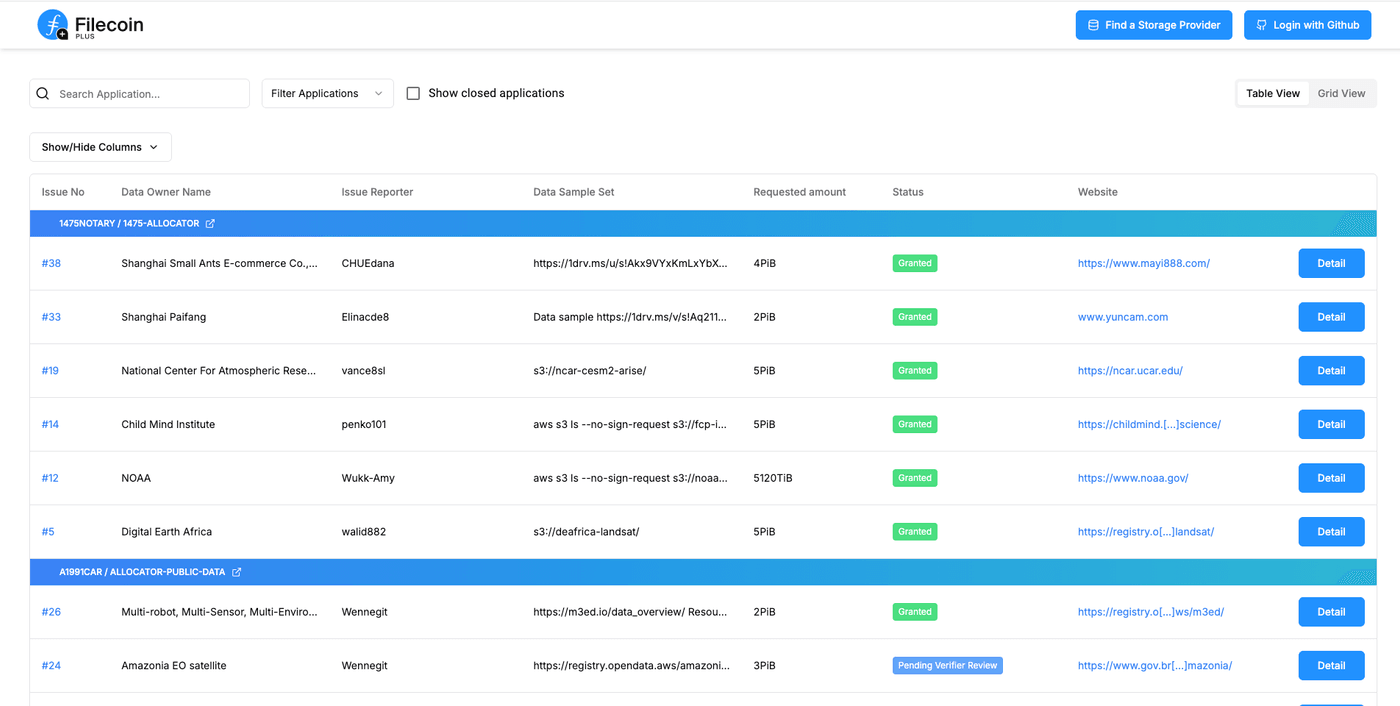
Filecoin: Protocol-level governance and ecosystem infrastructure for a live decentralized network
Neti helped strengthen critical infrastructure around the Filecoin Plus ecosystem, including governance automation, DataCap allocation logic, and analytics tooling used to monitor behavior across the network. The work reduced manual coordination and supported more scalable ecosystem operations.

Liberland: EVM compatibility upgrade for a live Substrate-based chain
Neti extended Liberland’s blockchain with EVM compatibility without rebuilding the network from scratch. The work involved deep protocol changes, compatibility handling, and adaptation of chain behavior to support a broader Ethereum-style ecosystem.
Protocols & Ecosystems We Engineer For

.png&w=384&q=75)


What we actually engineer
Neti helps teams move from fragile protocol logic and manual coordination toward infrastructure-backed systems that are easier to enforce, scale, and operate. This is not just advisory work. We combine architecture, consulting, and delivery to help teams implement protocol systems that work in practice.
- Chain architecture and custom chain logic
- Protocol upgrades and compatibility changes
- Governance and incentive enforcement
- Finality, node communication, and protocol debugging
- Explorer and tooling for non-standard chains
- Infrastructure stabilization for live ecosystems
Who this is for
What Protocol Engineering Helps You Build, and Avoid
| What we can help with | What this helps you avoid |
|---|---|
| Protocol-level logic and control design | Rules that become harder to enforce as the system grows |
| Smart-contract safeguards and system rules | Weak control mechanisms and inconsistent execution |
| Hybrid on-chain/off-chain protocol design | Putting the wrong logic on-chain or leaving too much in manual process |
| Participation and coordination mechanisms | Friction, bottlenecks, and growing operational overhead |
| Protocol integrations and execution flows | Fragile system behavior across connected components |
| Enforceable infrastructure for complex blockchain systems | Protocol growth that becomes harder to manage operationally |
Why Neti
FAQs
Smart contract development usually focuses on application logic deployed on-chain, such as token mechanics, DeFi features, or user-facing flows. Protocol engineering goes deeper. It deals with system behavior at chain or ecosystem level: protocol constraints, governance enforcement, upgrades, node coordination, interoperability, and infrastructure that affects reliability and scalability. Smart contracts can be part of protocol engineering, but protocol engineering is much broader than writing contracts alone.
Yes. In many cases, the right move is not a full rebuild, but targeted protocol improvement. Existing blockchain systems can often be stabilized, extended, upgraded, or made compatible with new requirements without replacing everything from scratch. This is especially relevant when the chain is already live, has operational dependencies, or supports an active ecosystem that cannot tolerate unnecessary disruption.
Protocol teams usually need outside support when the system becomes harder to evolve safely. That often happens when governance starts creating operational bottlenecks, upgrades become risky, protocol assumptions no longer hold under scale, internal teams are too close to the existing architecture, or the challenge requires experience that is not commonly available on the market. Outside support is most valuable when the cost of architectural mistakes becomes higher than the cost of bringing in deeper protocol expertise.
No. Not every governance rule belongs fully on-chain. The right boundary depends on the protocol, the coordination model, the level of trust required, and the cost of enforcing decisions manually. What matters is not maximizing what goes on-chain, but designing a governance model that is enforceable, scalable, and appropriate for the ecosystem. In some cases, protocol-level enforcement makes sense. In others, a hybrid model is the better choice.
Yes. Protocol engineering often includes tooling and infrastructure around the chain, not just the chain logic itself. This can include custom explorers, governance tooling, analytics systems, monitoring layers, data infrastructure, and ecosystem-specific operational tools. For many blockchain systems, these components are critical because they shape how users, operators, and governance participants interact with the protocol in practice.

Need protocol systems that can scale with your ecosystem?
We’ll help you assess the right protocol logic, control model, and architecture path before complexity turns into operational friction.